The biggest difference — and the one most homeowners aren’t told about — is whether the boarding is raised above the insulation or installed directly onto the joists.
That choice affects:
Insulation performance
Airflow and moisture risk
Long-term durability
Energy efficiency
At AMVA Lofts, we install raised loft boarding systems because they protect how your home is designed to perform.
What Is Raised Loft Boarding?
Raised loft boarding lifts the storage platform above the insulation layer, rather than compressing it.
This allows:
Insulation to work at full depth
Air to circulate correctly
Safe, long-term storage without damaging performance
It’s the correct approach for:
Modern homes
New-build properties
Any loft with deep insulation
What Happens When Insulation Is Compressed?
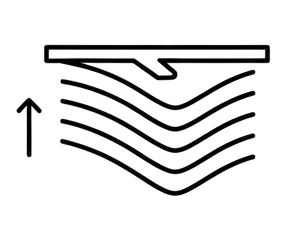
Basic loft boarding is often fixed directly onto joists. This compresses the insulation underneath.
Compressed insulation:
Loses thermal efficiency
Can create cold spots
Increases condensation risk
Reduces the lifespan of the insulation
Once insulation is compressed, it cannot perform as designed — even if it looks fine.
Airflow
Airflow Matters More Than Most People Realise
Lofts rely on airflow to prevent moisture build-up.
Poor airflow can lead to:
Condensation
Damp timbers
Mould growth
Long-term structural issues
Raised systems allow airflow paths to remain clear, especially at the eaves — an area commonly blocked by poorly specified boarding.
Why This Is Especially Important in New-Build Homes
New-build properties typically have:
Deeper insulation
Tighter building envelopes
Less tolerance for airflow restriction
Boarding directly onto joists in these homes is particularly risky.
That’s why raised boarding is not optional in most new-build lofts — it’s essential.
Why Raised Boarding Costs More
Raised loft boarding:
Uses additional materials
Takes longer to install correctly
Requires proper planning and layout
That’s why it costs more than basic boarding — and why pricing varies significantly between quotes.
If a quote is much cheaper, it’s almost always because the boarding:
Isn’t raised
Compresses insulation
Ignores airflow
How to Tell If a Quote Is Truly Raised Boarding
Ask these questions:
Will the boards sit above the insulation?
Will insulation depth remain unchanged?
How is airflow maintained at the eaves?
Is the system designed for long-term storage?
If the answers aren’t clear, the system probably isn’t either.
Our Approach
We only recommend solutions that:
Preserve insulation performance
Maintain airflow
Deliver safe, usable storage
Avoid long-term problems
If that means we’re not the cheapest option, we’re comfortable with that — because the alternative is doing it twice.
Raised loft boarding isn’t an upgrade.
It’s the minimum standard for doing the job properly. Everything else is a compromise — even if it isn’t explained that way.
Want Advice for Your Loft?
The right solution depends on your home, insulation depth, and layout.